Tournament stages you can actually explain

Modern esports events are machines with gates: open qualifiers, invited groups, Swiss or GSL blocks, then elimination brackets. pixel teaches the machine so you stop confusing production hype with advancement math.

Tournament hall with stage lighting and empty competitive floor

Why stage names beat brand slogans

Fans often arrive through a logo and a highlight package. Useful fandom starts one layer deeper: which stage is this, how many losses end the run, and what sample size exists before playoffs. Those answers change how you watch map one and whether a single upset should rewrite your mental tier list.

pixel’s tournament desk therefore leads with taxonomy. Open qualifiers are high-volume filters. Closed qualifiers usually narrow the field with invites or point lists. Groups create the first trustworthy multi-match sample. Playoffs convert sample into elimination pressure. Finals stretch formats and production delay. If a broadcast skips that ladder in its language, your notes should still keep it.

We refuse invented brackets. When an organizer has not published a bracket graphic, our tables show status language like “invite list pending” or “announced window” instead of decorative fake trees.
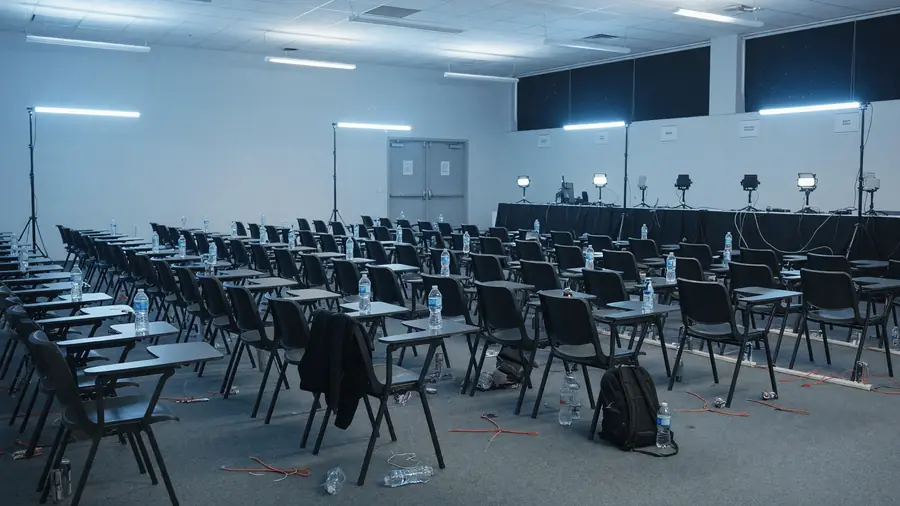
Qualifier hall with rows of competitor stations

Qualifier halls feel different on purpose

Thin production, stacked BO1s, and rapid reseeding teach variance. Treat early highlight clips as color, not ranking gospel.
Format glossary in viewer language

BO1 / BO3 / BO5

Best-of counts change veto pressure and comeback probability. A BO1 upset is a data point; a BO5 collapse is a story.

Swiss

Teams play until win/loss thresholds. Pairings often match similar records. Great for sample size; messy for casual “who is eliminated tonight” glances.

GSL groups

Two wins advance, two losses eliminate inside a four-team group. Opening matches and elimination matches carry different tension curves.

Double-elimination

Lower bracket paths exist. Reset finals may appear. Spoiler risk rises because a team can look “out” on social media while still alive.

When you open a new event page, write the format in one sentence before you bookmark talent talent socials. Example: “Swiss to eight, then dual-bracket playoffs, no reset.” That sentence prevents mid-weekend confusion when a favorite drops a series and still has a path.

Rulebooks sometimes bury side selection, pause limits, and remake clauses. Those clauses rarely trend on social media, yet they decide arguments in chat. pixel’s desk links format literacy to match prep on the matches hub rather than repeating full rule PDFs.

Region tags without fake geopolitics

Region labels help viewers find start times and style stereotypes, but stereotypes rot quickly. Use region tags as scheduling and broadcast-language hints first. Style claims—“this region always defaults slow”—belong in the scenario column with VOD citations, not as permanent identity.

Cross-region LANs add travel and booth-audio variables. Online circuits add ping and schedule fatigue. pixel separates environment notes from mechanical skill notes so a single bad ping week does not become a permanent narrative.

How we log a calendar row

FieldAllowed contentForbidden content
Event labelOrganizer’s public name or neutral desk labelInvented subtitle hype
WindowPublished date range or TBDGuessed finals day
Format lensSwiss / GSL / DE as publishedAssumed BO5 finals
Source tierOfficial / team / reputable deskAnonymous screenshot accounts

Empty cells are a feature. A blank prize field is healthier than a viral graphic with the wrong currency. If you need a number for a conversation, quote the organizer page and timestamp your note.

Calendar rows should deep-link to match prep templates and team identity panels once participants are official. Until then, resist filling rosters with last season’s lineup memory.

Best viewer entry points by stage

1

New to the title

Enter at groups or playoffs with a genre desk primer open on a second screen.

2

Following one org

Track their path on the organizer site; use pixel for format and film-room habits.

3

Studying the meta

Prefer full series VODs over opens; annotate patch freeze dates.

Spoiler risk scales with stage. Qualifiers are noisy but low cultural spoilers. Finals weekend is a minefield of push notifications. Build a watching plan before the first map, not after a friend texts “crazy ending.”

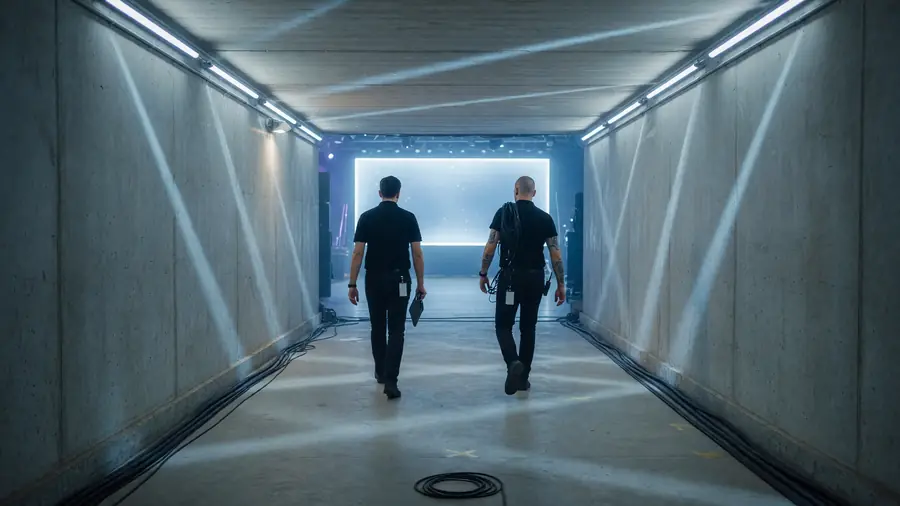
Playoff tunnels amplify tension

Elimination halls compress sound and attention. Your notes should compress too: one fact column, one scenario column, timestamps only.

Playoff tunnel leading toward bright stage doors

Source hierarchy for event claims

1) Organizer site and rulebook. 2) In-client official competition hub if the publisher runs one. 3) On-broadcast commissioner desk. 4) Verified team channels for roster confirmations. 5) Independent journalism with named authors. Everything else is color.

When sources conflict, pixel shows conflict rather than averaging. A team social celebrating a “finals berth” while the bracket still has a match is a classic mismatch—usually a language shortcut, sometimes a mistake. We wait for the organizer graphic.

What this hub refuses to publish

We do not invent live brackets, seed lucky draws, or prize pools. We do not launder betting tips through tournament copy. We do not paste unrelated sport fixtures or contest-entry templates into stage language.

Affiliate routes, when present elsewhere on the site, stay disclosed and separate from tournament tables. The calendar is not a coupon board.

FAQ

What is the difference between Swiss and GSL for viewers?

Swiss builds a broader record sample with pairings by similar records; GSL groups are four-team gauntlets where two wins advance and two losses eliminate. Swiss weekends feel like a climbing table; GSL days feel like repeated win-or-go-home hinges.

Why does pixel leave calendar cells empty?

Because empty is more honest than decorative fiction. We only fill fields we can source from organizer or equivalent primary materials.

Do you publish prize pool tables?

Only when a primary source states them and we can quote the source. Many pages simply omit the field.

How should I follow cross-region events?

Anchor on official start windows, pick one clean feed, mute spoiler surfaces, and keep region style claims in the scenario column until you have multi-series evidence.

Are showmatches part of the competitive calendar?

They can be listed with exhibition labels. They should not update serious tier beliefs without clear caveats.

Where do roster locks appear?

On the teams hub and in news notes after verified team or organizer confirmation—not as guessed five-man lists on the calendar.

Can format change mid-event?

Rare but possible via commissioner decisions. We update from organizer language and mark corrections if we had published the old format.

Is this hub a betting preview sheet?

No. It is tournament literacy for fans and students of the craft.

Keep the facts column clean

Jump back to the competition cover or open another hub. Scenarios stay labeled.

Continue via disclosed Pixel route