Latest filed note
Veto sequence, map-pool reading and a spoiler-free watch, in viewer-first language. Filed under the Matches hub.
A good series plan is boring on purpose: format, feed, delay, and a short list of things to watch. pixel’s match desk keeps confirmed facts away from narrative temptation.

Veto sequence, map-pool reading and a spoiler-free watch, in viewer-first language. Filed under the Matches hub.
Every preview starts as two columns. Left: confirmed facts you could defend to a skeptical friend with a link. Right: editorial scenarios labeled as such. If a claim cannot survive that split, it does not ship.
Confirmed facts include series length when published, official window language, listed broadcast home, and any stated production delay. Scenarios include style matchups, imagined veto paths, and “what to watch at minute eight” cues.
Copy the organizer’s BO structure; blank if missing.
Local time + UTC note when provided.
Default-heavy structure vs chaos entry—VOD-based only.
First objective timing language to listen for.
Veto literacy is genre-specific, but the viewer habit is shared: know whether teams are removing discomfort or selecting strengths, and whether side choice happens before or after map choice. Do not invent a veto sheet for content fullness.
Side selection changes the first six minutes of many titles. If talent discusses pistol or opening-rotate patterns, your notes can track whether those patterns actually appeared—without pretending you knew the side choice in advance.
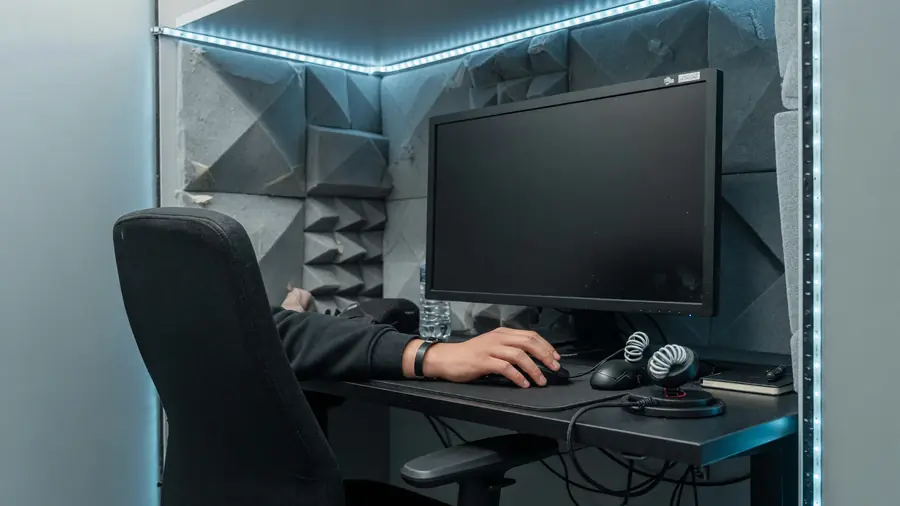
On LAN, foot communication and pause posture become visible. Online, you lean more on observe cams and official stats overlays when present.
Primary platform, backup mirror only if official, captions path tested.
Mute push alerts and group chats that race the delay.
Four lines: open, mid adapt, objective swing, closing errors.
Print or screenshot the checklist. The point is fewer tab switches after map one starts.
“Live” on social media can mean in-progress, recently ended, or still in pre-show. pixel prefers organizer window language and broadcast state when we can observe it. We do not fabricate a ticking scoreboard widget.
If you need real-time numbers, use official overlays. Our job is context and literacy around those numbers—not a second-rate clone of the observer UI.
After the series, resist rewriting history to match the final scoreline. Timestamp two or three swings. Ask whether utility, information, or aim decided them. Separate player mechanical peaks from team structure failures.
Film-room notes feed future previews. A team that repeatedly loses second-round adapts should carry that scenario tag until evidence changes—not forever, not from one online cup.
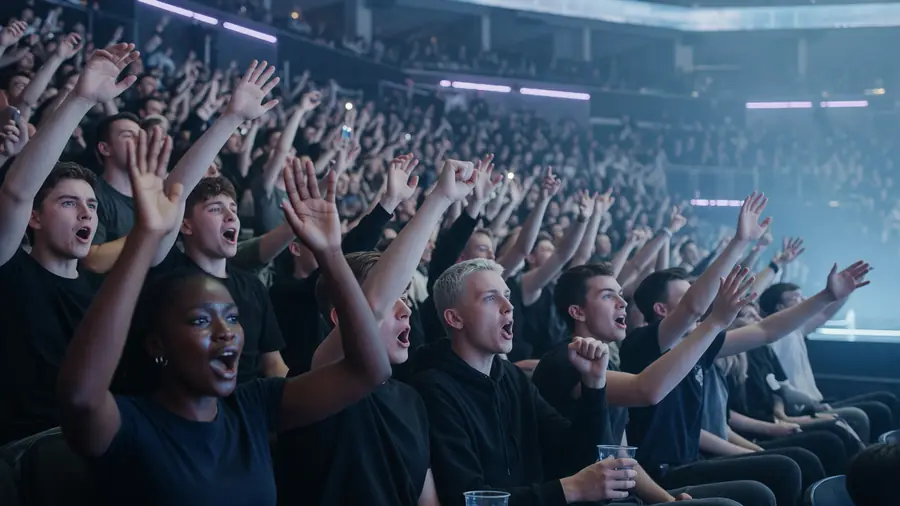
Assume your phone hates you. Turn off team apps, betting notifications if you use them elsewhere, and unofficial “live update” bots. Watch the clean feed first; read reactions after the handshake.
For multi-match days, decide whether you are spoiler-free for the whole block or only for one series. Mixed postures cause accidental scrolls.
Match notes should name jobs: who took first contact, who held the anchor angle, who called the timeout. That language bridges to the players hub and prevents MVP narratives from erasing support work.
We will not invent odds, sure-thing tip promises, or contest captain language. We will not claim a roster lock without a verifiable source. We will correct window errors in public.
Because readers deserve to see which sentences are sourced and which are interpretive. It also protects the desk from sliding into fiction under deadline pressure.
No. Official broadcasts already provide that layer. We provide prep and film-room structure.
Long enough to state format, feed, and two watch items. Anything past that must earn its place with sourced context.
Update from the primary source and mark a correction if we published the old window.
Yes. It is designed as a teaching template for clubs and classrooms as well as fans.
When official VODs exist, we point to them. We do not hotlink unstable reuploads as facts.
It is atmosphere. Treat it as color unless you are studying LAN-specific communication—and even then, be careful.
Match literacy is not a wagering pitch. Partner routes elsewhere stay disclosed and optional.
Jump back to the competition cover or open another hub. Scenarios stay labeled.